Críticas: Cahiers du Cinéma and Blogs and Docs
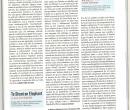
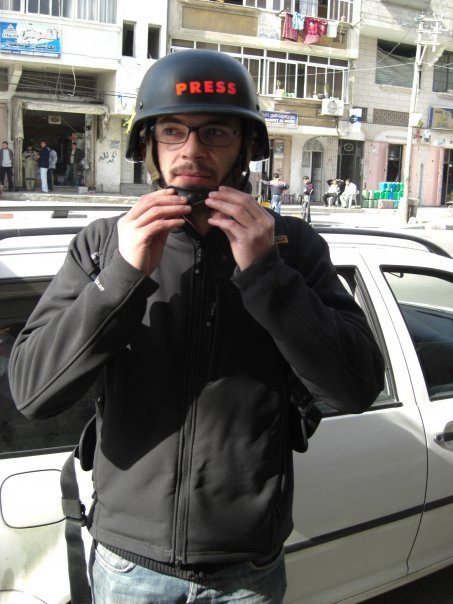
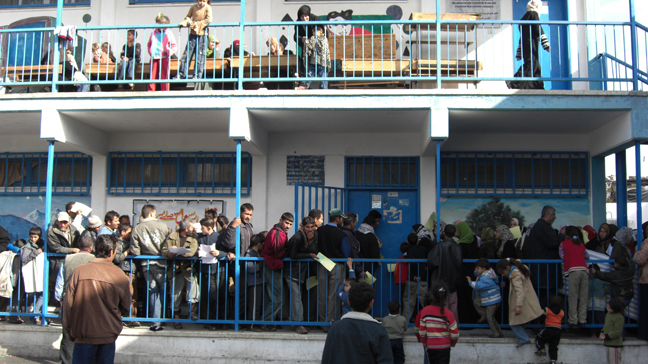
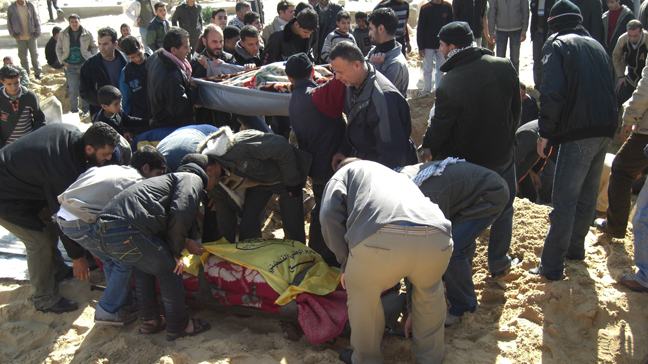
“To shoot an elephant” has been reviewed in the number 30 of Cahiers du Cinema by Eulalia Iglesias, who says about it, among other things: “it doesn’t try to be a report that explains or even denounce in an emphatic way the situation of this territory. The directors act mainly as journalists, rather than film makers, faced with the urgency of filming what nobody shows. Like those first war journalists who, at that time when cameras counted, where very conscious of where and what to film, Arce and Rujailah act as witnesses for the Palestinians, who know the importance of these scarce images. It recovers a breath* *almost lost in war documentary: that of the camera man running to catch a concrete moment but also running to flee from the bombs.
The documentary has also catched the attention of Blog and Docs, one of the most remarkable online magazines specialized on non-fiction. The review*, *written by Xabier Cervantes, points out that “Arce fixes his point of view between the need to tell and the atonishment* *about what he’s going to tell and builds a story based on a narrative structure fed by the conventions of causality, holding to a clear informative* *plot, without any artistic stunts, with no music, without altering the frontality of the camera, without giving in to the demagogy of the shocking* *shot* *and without provoking situations, that common practice in filmed journalism, that consists in infiltrating enemy territory and paying a few euros to a sniper to get a powerful image, even though that means to kill someone (it’s even better if somebody is killed and the camera can film it). Arce take a minimum scurity distance to avoid contamination of the images. Of course, he’s involved with the story, because it is his story, but he avoids enphasis and poetic remarks as much as he can. He bathes on reality because there’s only reality and in those moments a too self conscious camera movement can spoil everything. Arce is right becaus there is too much present to allow an artistic intervention.